Procurement managers are looking to optimize their time, reduce their department's costs, improve productivity, and pursue a more strategic role within the company.
In turn, business units are increasingly demanding from support departments—such as procurement—regarding responses and results for their requests.
e-Procurement
Based on this scenario, which is common in several companies in Brazil, Level has achieved success in implementing its digital procurement platform (e-proc).
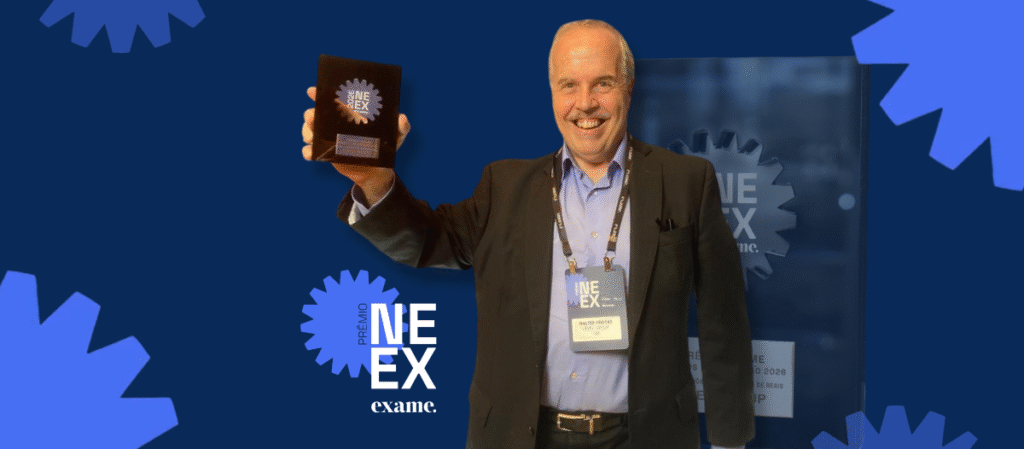
With over 18 years in the market and several awards won, this Procurement System features an agile implementation process (typically 1 to 3 months), offered in SaaS (technology infrastructure managed by Level) or On-Premises (IT infrastructure managed by the client) models. In this e-procurement platform, requesters submit their purchase requisitions (for products, supplies, equipment, or services). Buyers consolidate these requisitions and interact with suppliers through the portal for prompt responses. They then carry out their analyses (procurement bid tabs) and send purchase orders to the winning bidders. All of this comes with recorded approvals, proper approval limits, and seamless integration with the ERP whenever necessary (SAP, Protheus, Oracle, JD Edwards, among others).
This digital Procurement platform allows creating and managing contracts (catalogs), reducing operational tasks and the cycle time of the entire purchasing process.

Invoice control and reconciliation
In a recent release, Level made available the feature for the automated control and reconciliation of invoices issued by suppliers. Thus, for every invoice issued against the company—whether for goods or services—e-proc automatically captures it (via web services connecting to Sefaz and City Hall portals) and reconciles it against the corresponding purchase orders, highlighting discrepancies that are routed to the responsible parties via workflow.
With several other features, Procurement processes driven by this e-procurement tool provide companies with end-to-end visibility across all stages, agility in direct, indirect, and service purchasing, end-to-end online compliance, and reduced operational workload, freeing up buyers for higher-impact tasks such as negotiation, supplier development, procurement intelligence, and catalog development.