
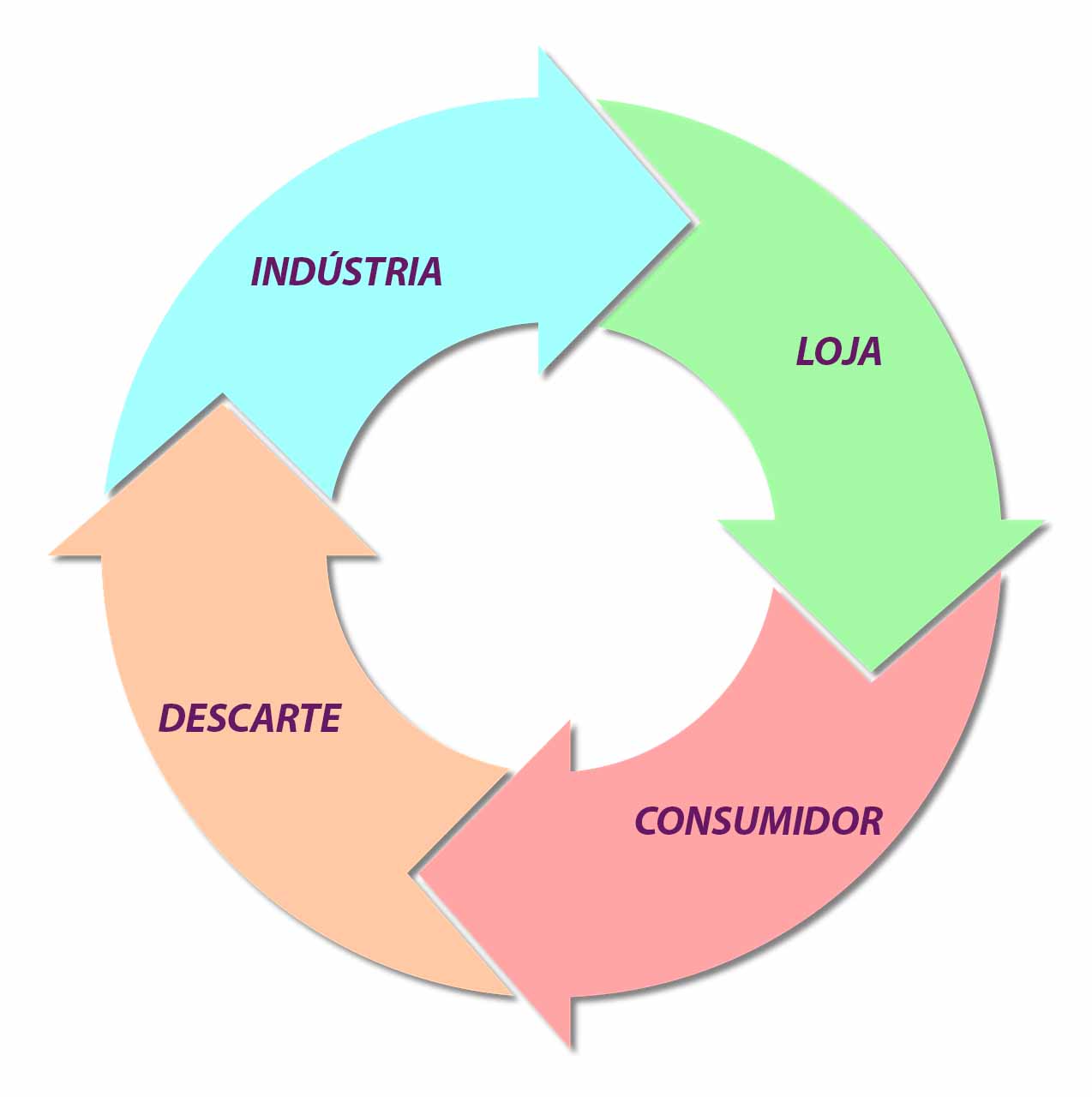
The National Solid Waste Policy – PNRS of the Ministry of the Environment defines reverse logistics as “one of the instruments for applying shared responsibility for the product life cycle”. In other words, it is the reverse flow that the end product takes to become raw material again. It is the logistics that takes used packaging, which would otherwise go to waste, back to be treated, recycled, or reused as raw material to become, for instance, a by-product.
A primary agenda item for large corporations and multinationals, environmental sustainability has increasingly gained prominence for enterprises aiming to remain competitive in the globalized market.
Given this fact, sustainable management in the supply chain has also become a business focus from an economic sustainability perspective. Thus, a reverse logistics cycle emerges within the field.
Across various sizes and segments, reverse logistics fosters environmental and financial gains.
Sustainable Supply Management with Reverse Logistics
For supply chain management to be efficient, it is essential that it aligns with corporate interests. However, to achieve this, it is fundamental to take a step forward beyond conservative views and understand that socio-environmental responsibility, addressing ethical matters of collective interest, will be the foundational pillar for the economy to run smoothly. In other words, it is necessary to act differently to stand out. That is, mastering all stages of the supply chain process turns the company into an industry benchmark against competitors.
The trend is so strong that startups are emerging and gaining more and more ground and credibility. Here we can highlight molecoola , which has a partnership with UNILEVER and attended WTW2019.
Best Practices for Sustainable Management
From end to end of the process, there must be integration and consistency of values. From supplies and raw materials to final product delivery. In reverse logistics, the “final product” is the starting point for sustainable practice. That is, a cycle between execution and delivery.
To put it into practice and keep the wheel turning, you need to:
- Pay attention to Inventory.
- Invest in innovation and technology.
- Consider the product life cycle and set up waste collection points.
- Establish internal implementation processes that comply with the PNRS.
- Partner with companies that have expertise in the specific waste management of your business segment.
- Among others.
As previously mentioned, many companies across diverse segments operate with reverse logistics. Examples include: Natura, HP, O Boticário, Bridgestone Tires, Unilever, and many others.
- Natura has a program for reusing waste and packaging.
- HP reuses plastic and other cartridge waste to manufacture new cartridges.
- O Boticário, with approximately 4,000 collection points spread across the country, collects packaging with or without residue and recycles it through an internal process. One of the sites is in the city of Jundiaí, less than 60 km from São Paulo capital. The beauty and cosmetics industry also runs a program with cooperatives that is part of the Boticário group's socio-environmental arm.
- Bridgestone collects tires at drop-off points and, using shredded rubber after an internal process, sells this waste to the footwear industry, which manufactures soles. In addition, there are other destinations such as the automotive industry and others.
Finally, though without exhausting the list of available examples, UNILEVER complies with legislation—given the scale of its distribution center and volume of brands—in a system that involves operating and transportation cost reduction thanks to the practice of sustainability in reverse logistics.
Did you enjoy the content? Need consulting? We can help!