
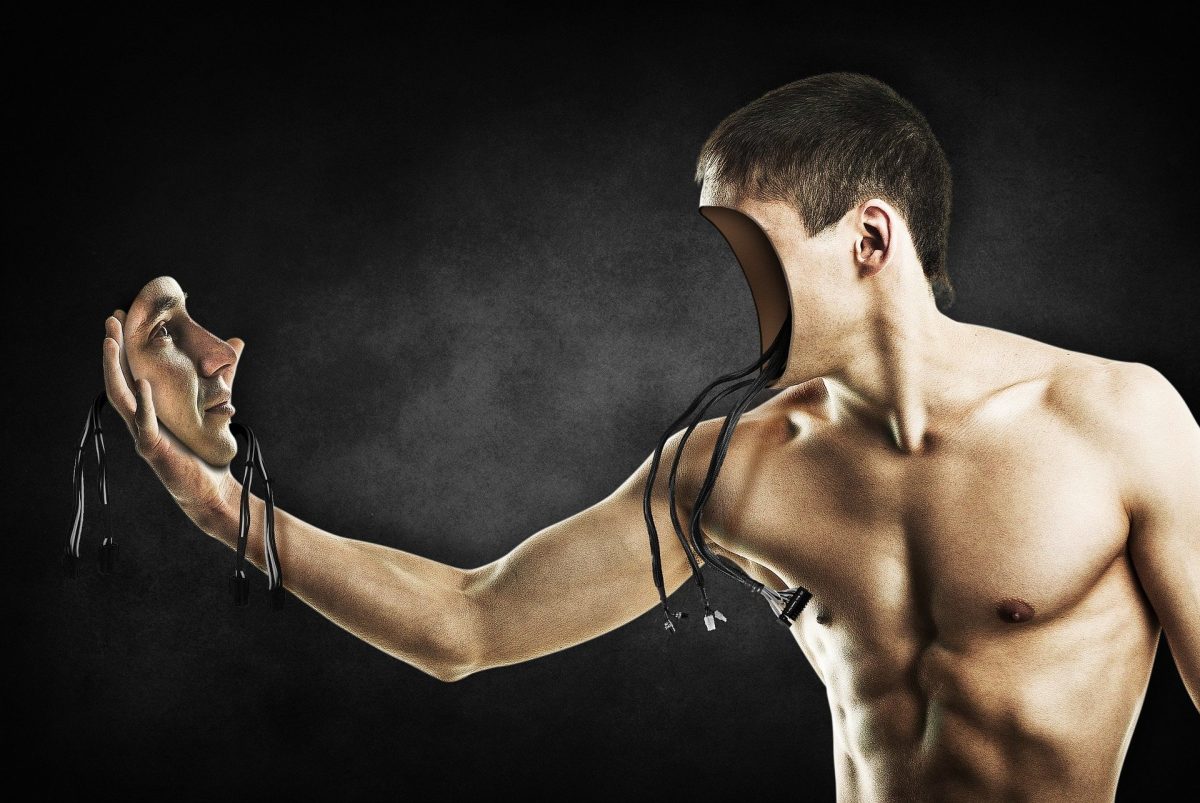
Much has been said about replacing people with robots and machines. Concerns about this impact on the job market are also notable, but looking at it more optimistically, this transformation could be, even if in the long run, something very positive for humanity.
Data from traffic portals show that in Brazil, more specifically in nine states across the country, including São Paulo, traffic is the leading cause of death, surpassing even crimes such as robbery resulting in murder and other even more violent offenses. Therefore, talking about autonomous cars is relatively "old news," as it is something that will inevitably happen. There is already data showing that roads with robotaxis have a 90% reduction in accidents.
Therefore, the concern about replacing humans with robots is precisely so that new professions can be created and that people can reinvent themselves to work on things that do not harm their health, while also having more time for themselves—whether to spend with family or to do whatever suits them best.
Just as deliveries can be carried out by drones, which will decrease the casualty rate of delivery drivers dying in traffic accidents, robotaxis should also be seen in a different light.
The idea is not to replace human beings with robots. It is to follow the flow of technological transformation so that humans can do what robots cannot do!
When we consider that robots will rescue humanity, it is considering that humanity is:
- living like robots
- working like robots
- relating to each other almost robotically
Allowing technology and robotics to do more and more things is a way to give people more time for human things. It is about rescuing humanity from life.